
Archive of the Unknown /
Aletheia Program

/ Project Overview
“Archive of the Unknown” is an ongoing art program initiated by Whizz Art Foundation. It examines how humans perceive and construct meaning when faced with the unknown. Rather than trying to reveal the true nature of the universe, the project uses science, technology, and visual media to collect and produce evidence that may be real or fictional, presenting it through diverse artistic forms.
Scientific exploration may not be a purely objective process, but a reflection of human narratives, desires, and imagination. The instruments, images, and knowledge systems we create are essentially attempts to translate the outside world into forms that humans can understand. As a result, much of what we call “exploration” is less about reaching the unknown, and more about expanding the boundaries of our own perception, making the world look more like us. We are aware of the self-centeredness and illusion in this process, yet we cannot stop.
“Archive of the Unknown” does not aim to criticize this desire for exploration rooted in human-centered thinking. Instead, it reflects on the motivations and limits of such a pursuit. Through imagined tasks and archival systems, the project reveals how meaning is created in the face of uncertainty, and how so-called explorations of the universe often bring us back to ourselves. It asks an open question: Are we exploring the universe, or are we simply exploring ourselves?
Continuing this reflection on “exploration” and “fiction,” artist Hu Chenyu created the first chapter of the project, titled “ Aletheia Program.” His work does not answer the questions raised by “Archive of the Unknown,” but allows them to reappear through images and institutional structures.
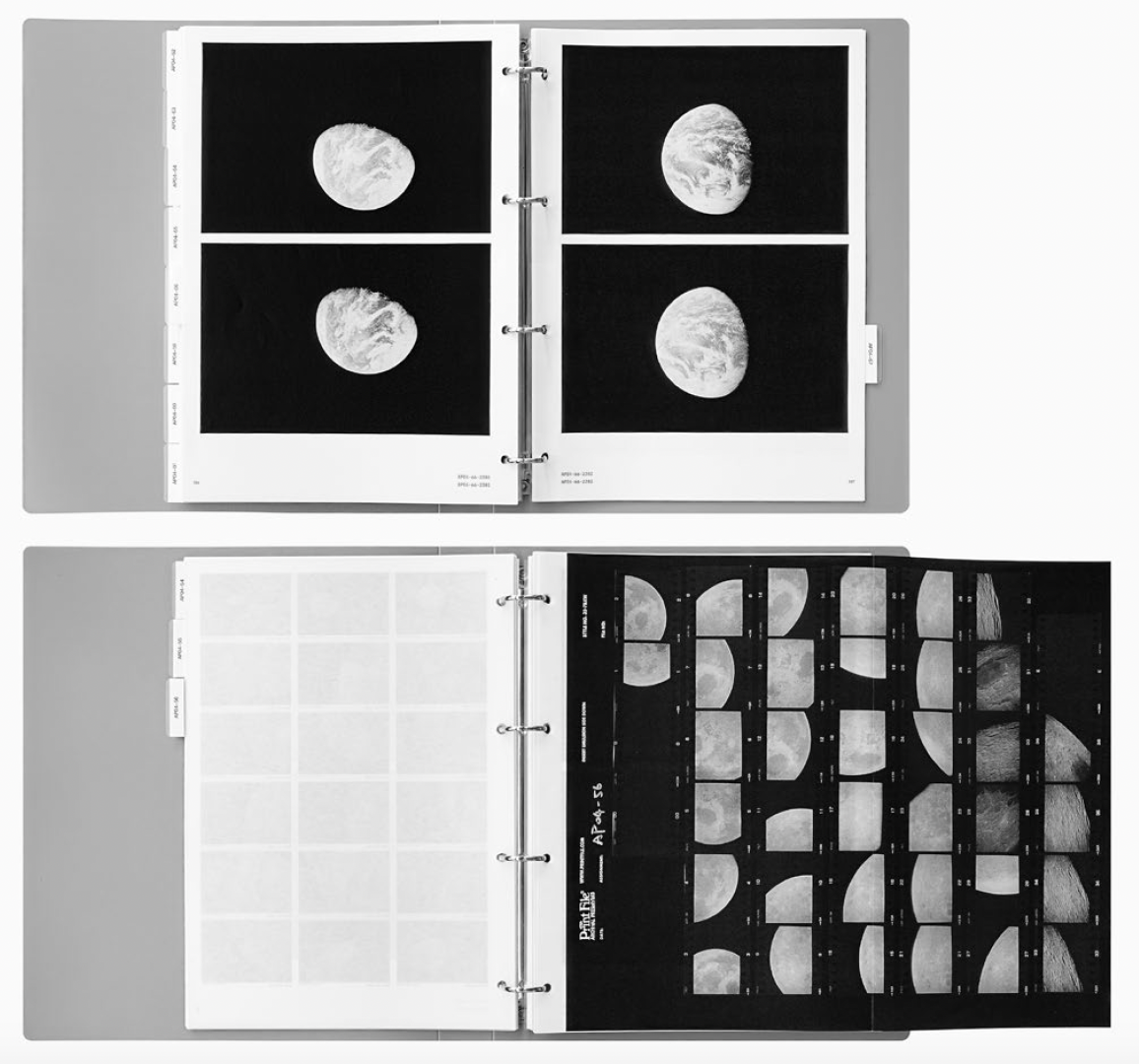
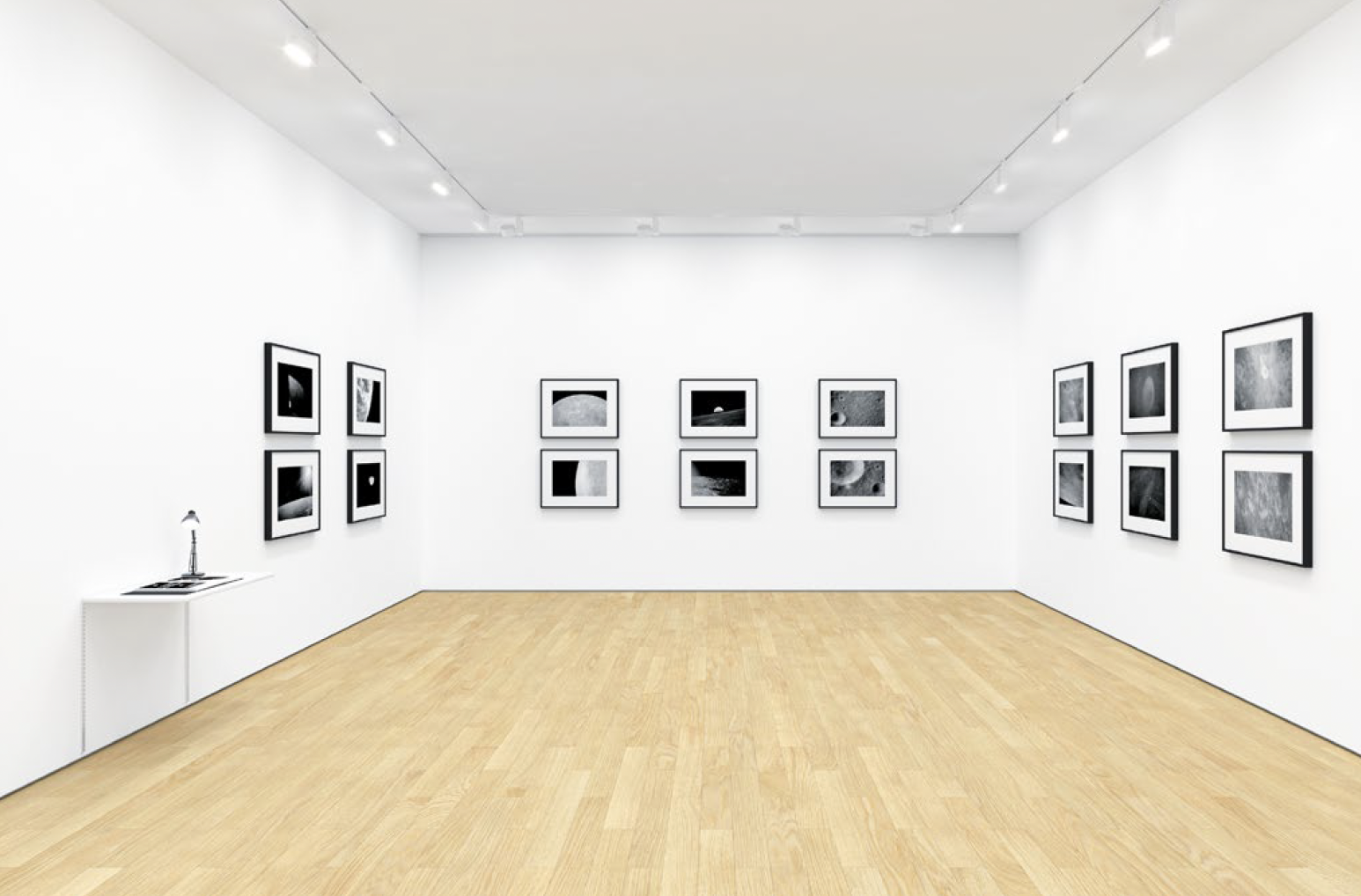
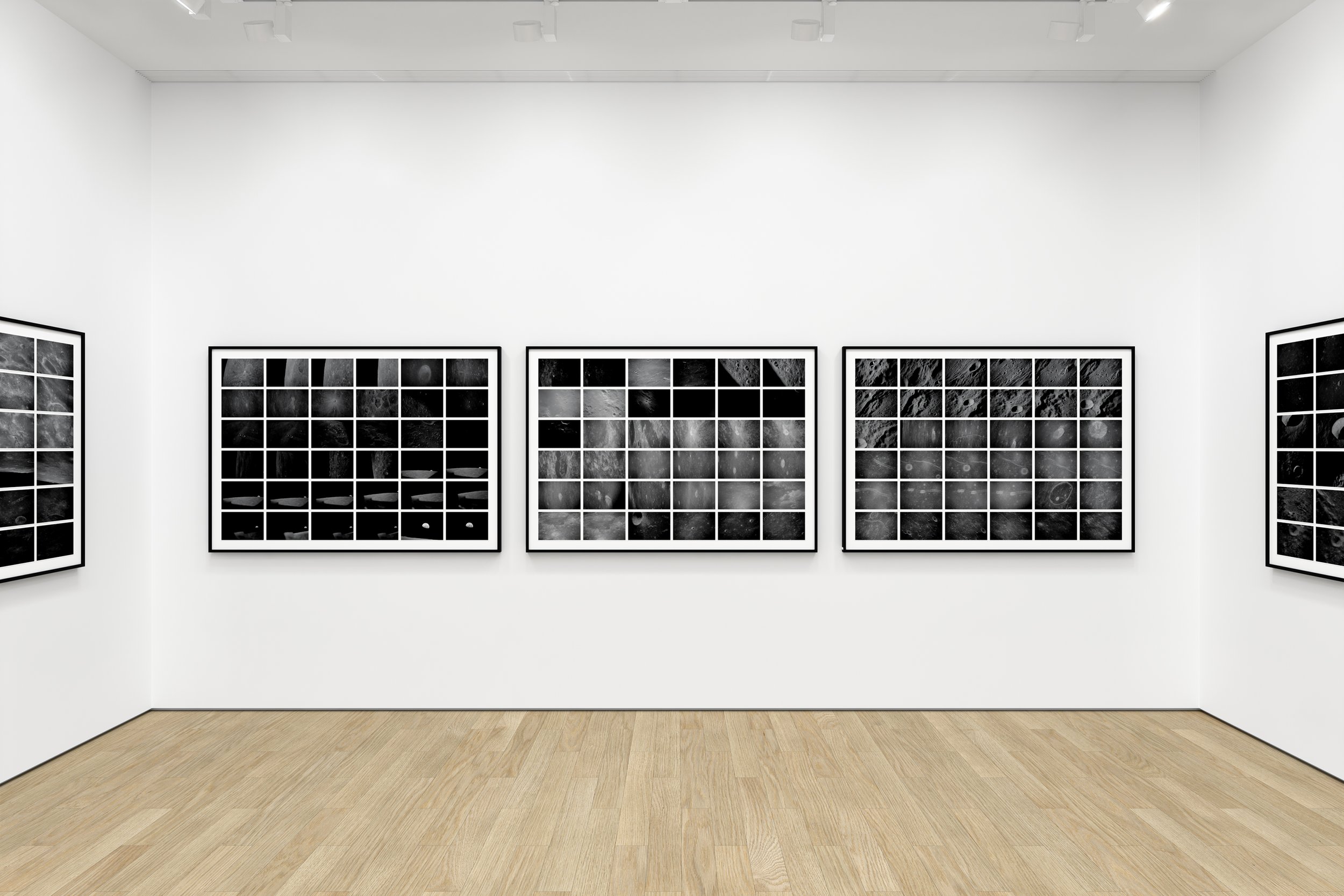
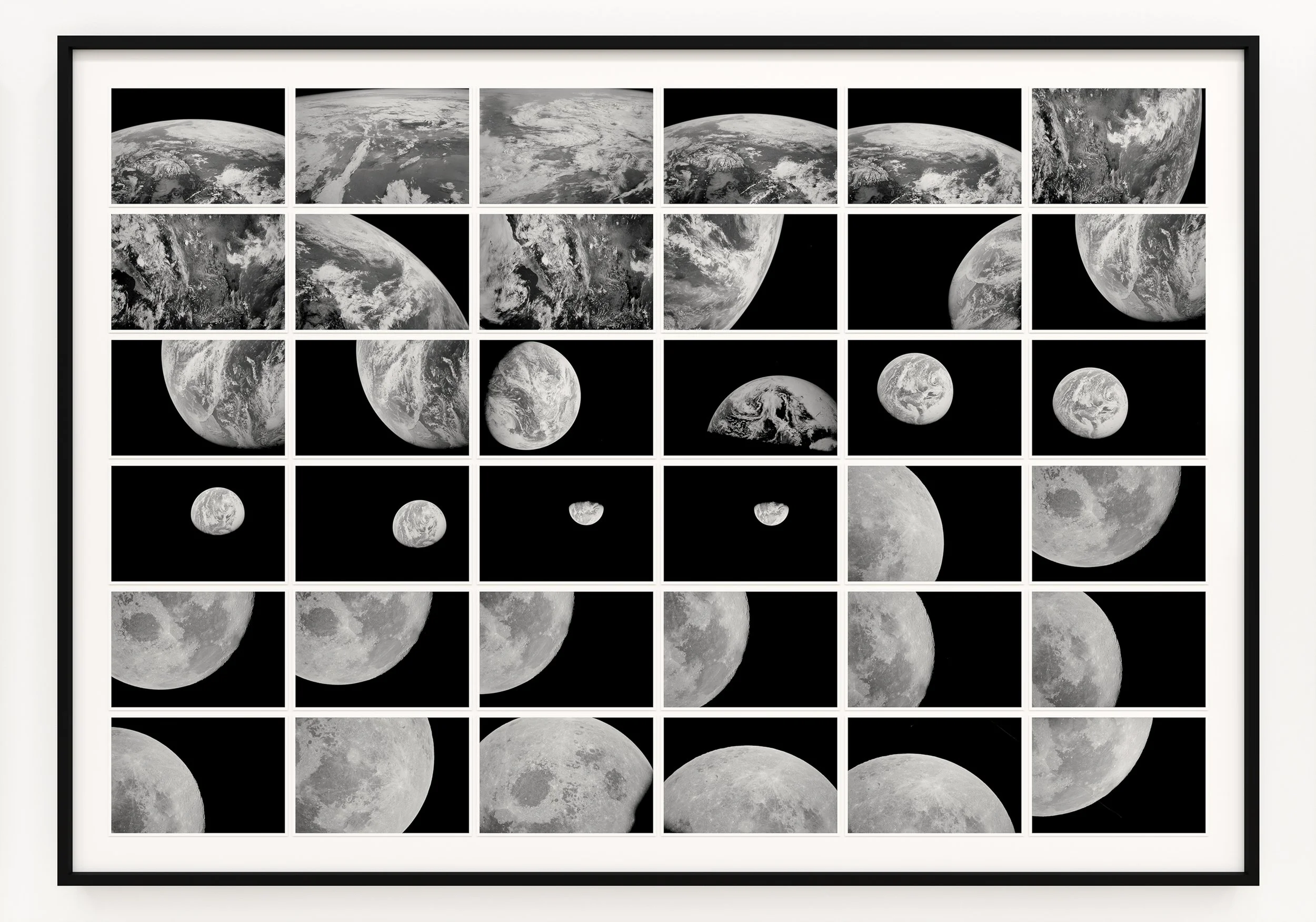
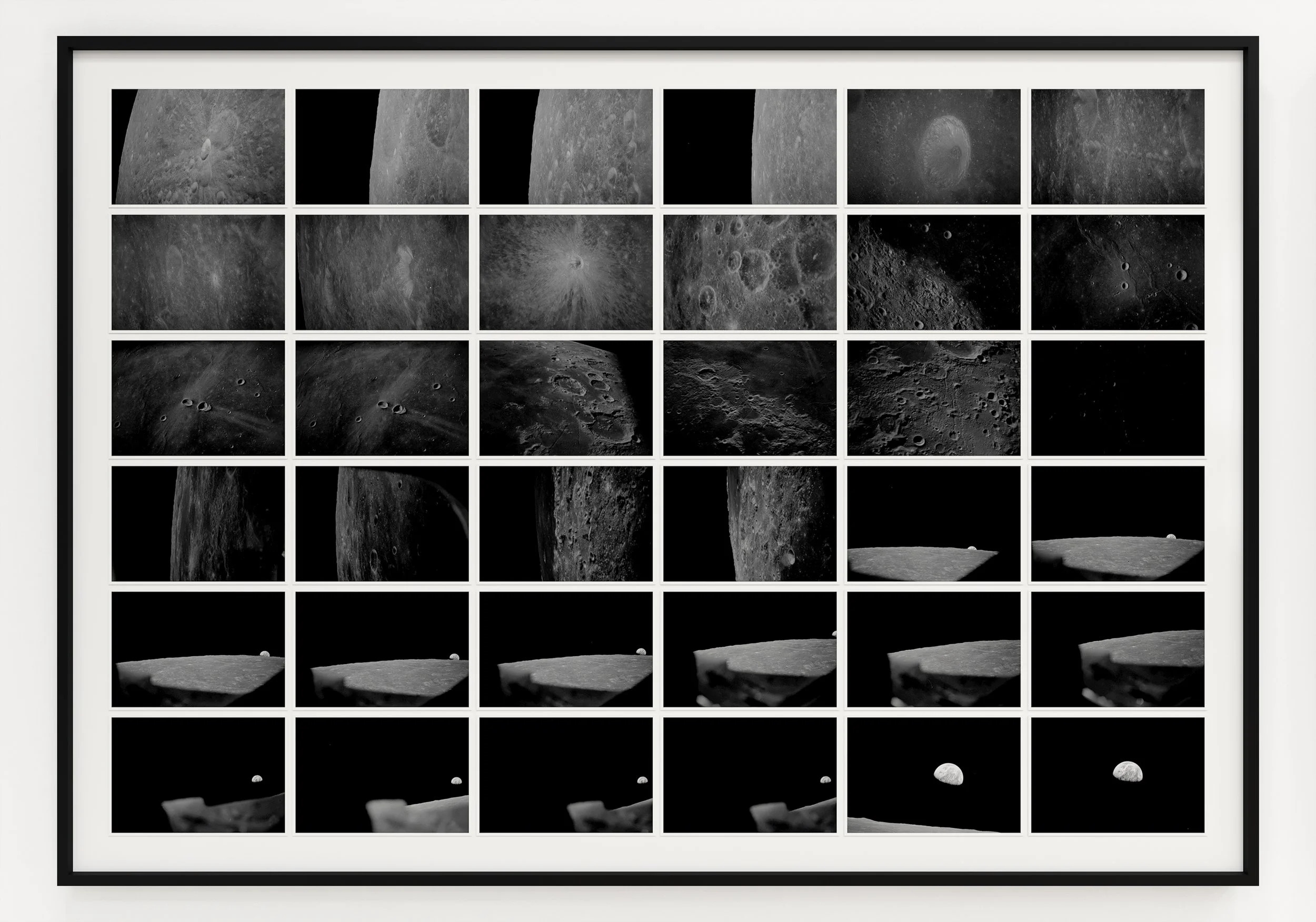
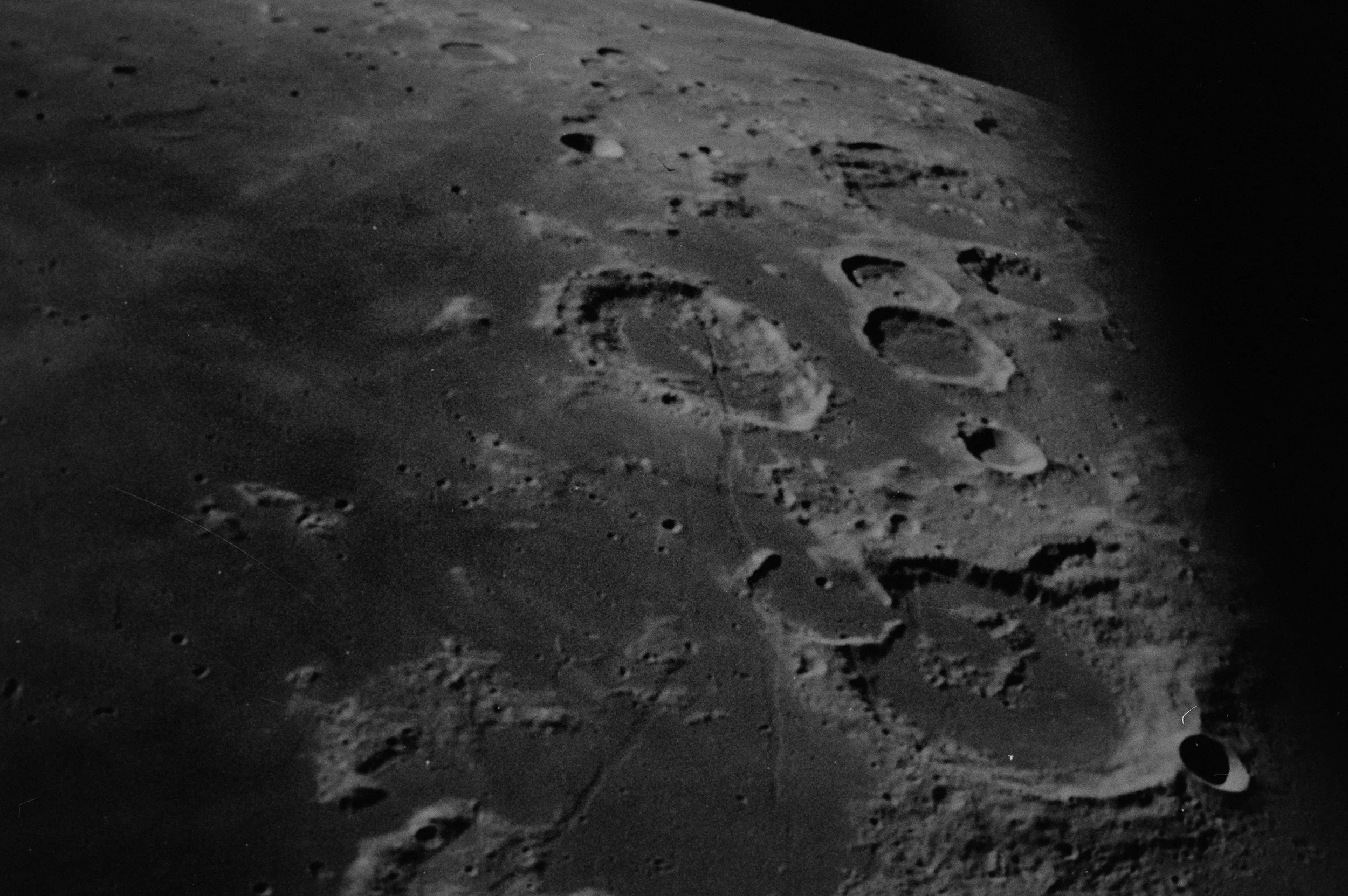
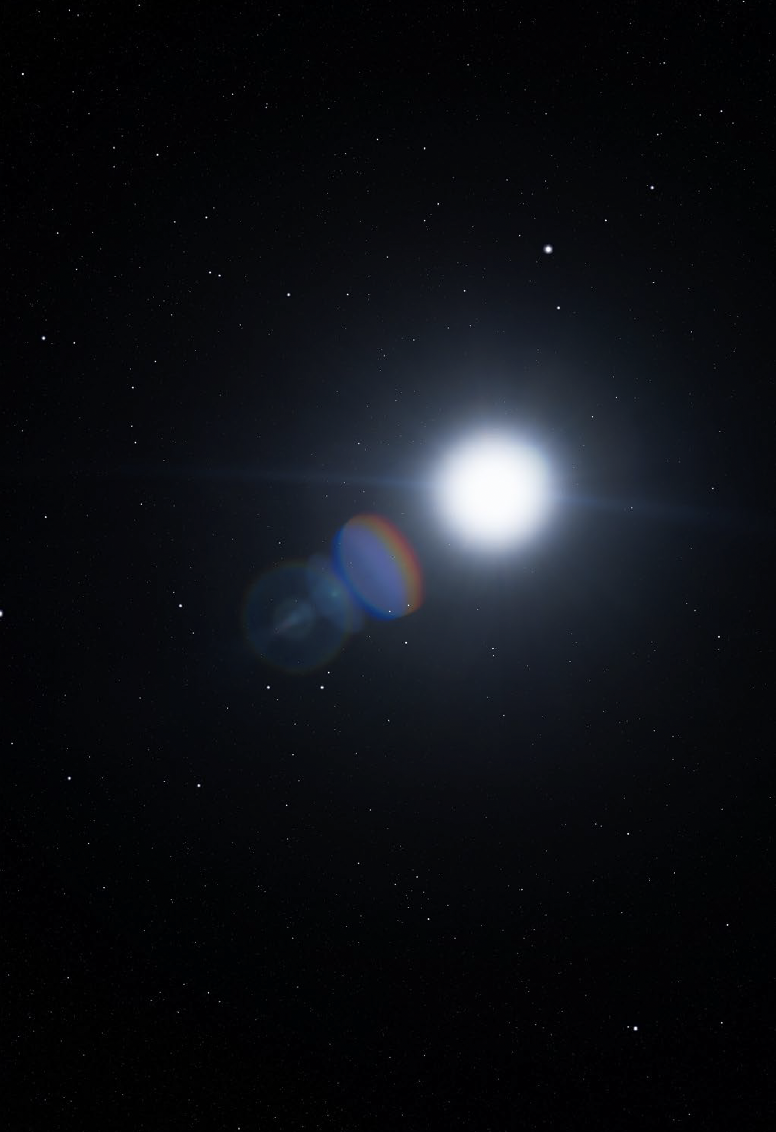
By collecting and reorganizing tens of thousands of space mission images found online, Hu Chenyu constructed a lunar orbital mission that never actually took place. These images were rephotographed on 35mm black-and-white film, hand-developed, and digitized again. Together with a numbering system, mission files, and embroidered emblems, they form a complete fictional scientific mission titled “Aletheia 4.” “Aletheia” means “truth” in Greek, a name that gives the work an authoritative tone while pointing to an internal contradiction.
The artist did not simply make a set of images. He recreated an entire system through which humans construct “truth” using images, data, and ordered structures. By presenting imagery that appears almost believable, the work invites viewers to reflect: Does the “truth” we trust come from facts themselves, or from the ways we construct and present them?
/ About the Artist
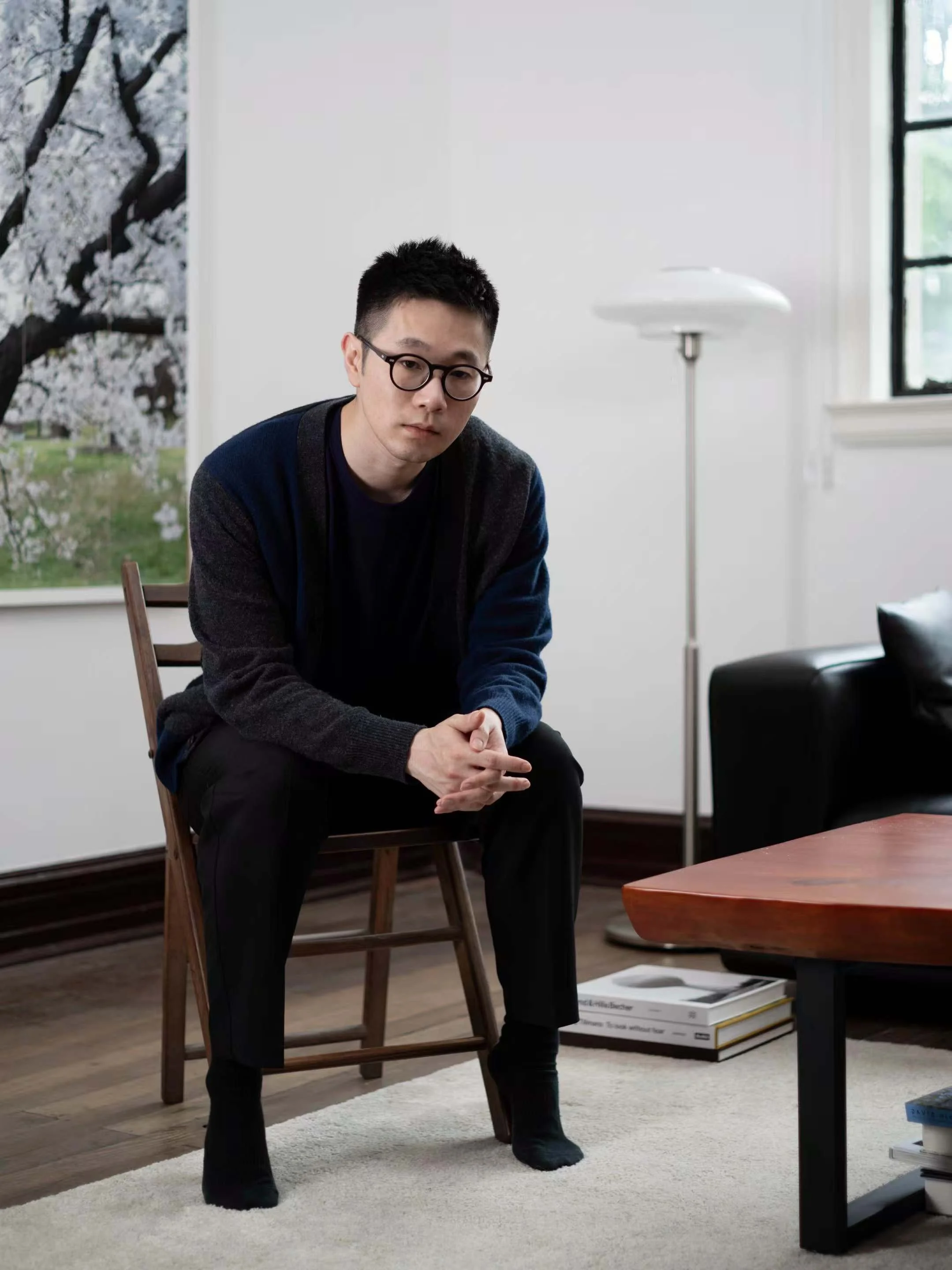
Hu Chenyu is an artist adept in multi-media creation, encompassing moving image, photography, and installation. His practice focuses on the modes of viewing images in the internet age and the impressions they convey. By probing the ambiguous space between images and reality, Hu seeks to redefine the power dynamics that connect the two through his artistic practice. Hu Chenyu employs a simple and personal approach to dissolve the legibility of everyday images, thereby evoking a sense of unfamiliarity with the medium and presenting a new way of viewing the ordinary.